Category: Florida Driving and Road Safety

Road safety advice for Florida drivers, including breakdowns, highway emergencies, overheating, accidents, I-4 travel, and staying safe while waiting for assistance

  • What Should You Do If Your Car Overheats in Florida?

    What Should You Do If Your Car Overheats in Florida?

    If your car overheats in Florida, safely get out of traffic, turn off the engine, and let the vehicle cool. Do not remove the radiator or coolant-system pressure cap while the engine is hot. If the temperature rises again, you see steam or leaking coolant, or you do not know why the vehicle overheated, have it inspected rather than continuing to drive.

    After more than 30 years of towing and roadside experience, I have one important piece of advice about overheating: do not try to squeeze a few more miles out of an engine that is telling you it is too hot. A tow is usually much less expensive than major engine damage.

    1. Recognize the Signs That Your Car Is Overheating

    The first warning may come from your dashboard. Your temperature gauge may move toward the hot or red area, or a temperature warning light may appear.

    However, the dashboard is not the only warning.

    Signs of an overheating vehicle can include:

    • A temperature gauge moving into the hot or red range
    • A high-temperature warning light
    • Steam coming from under the hood
    • A sweet coolant smell
    • Coolant leaking underneath the vehicle
    • Loss of engine power
    • Unusual smells from the engine compartment

    If you notice these signs, take the warning seriously. Continuing to drive can turn a cooling-system problem into much more serious engine damage.

    2. Get to a Safe Place and Stop

    First, concentrate on getting out of active traffic.

    Use your turn signal, turn on your hazard lights, and move to a shoulder, parking lot, side street, or another safe location when possible.

    Once you are safely stopped, turn off the engine.

    If you are on I-4 or another high-speed roadway, do not stop in an active travel lane unless the vehicle gives you no other choice. Your personal safety comes before the mechanical problem.

    If the vehicle becomes disabled in an active traffic lane or creates an immediate roadway danger, call 911.

    3. Do Not Open a Hot Radiator or Coolant Cap

    This is one of the most important things to remember.

    Never remove a radiator cap or pressurized cooling-system cap while the engine is hot.

    The cooling system can remain under pressure after the vehicle stops. Opening it while hot can release extremely hot coolant and steam and cause serious burns.

    Give the engine plenty of time to cool before anyone attempts to inspect the cooling system.

    AAA also advises drivers to let an overheated engine cool before checking coolant and specifically warns against removing the radiator cap while the engine is hot. You can read more in AAA’s vehicle overheating guidance.

    4. Should You Turn Off the Air Conditioning?

    Yes. If you notice the temperature beginning to climb while you are still moving toward a safe stopping location, turning off the air conditioning can reduce some load on the engine.

    However, this is not a repair.

    Do not turn off the air conditioner and then continue driving for miles while the engine remains overheated. Use the opportunity to reach the nearest safe place to stop.

    5. Why Do Cars Overheat?

    An engine needs a properly working cooling system to control its temperature.

    Common causes of overheating can include:

    • Low coolant
    • A coolant leak
    • A damaged radiator
    • A faulty thermostat
    • A failed cooling fan
    • A damaged hose
    • A failing water pump
    • A broken or slipping belt
    • Other internal engine or cooling-system problems

    You do not need to diagnose the exact cause while stranded beside the road. In fact, roadside guessing can sometimes make the situation worse.

    The important thing is recognizing that the vehicle is overheating and avoiding additional damage.

    6. Does Florida Heat Cause Cars to Overheat?

    Florida heat can put additional stress on a vehicle’s cooling system, especially during summer traffic, long periods of idling, or stop-and-go driving.

    However, hot Florida weather by itself should not normally cause a properly functioning modern vehicle to overheat.

    If your engine overheats during hot weather, there may be a problem with the cooling system that needs attention.

    That distinction matters. Do not simply assume, “It’s Florida. Cars get hot.” Your engine is designed to control its operating temperature.

    7. Can You Drive After the Engine Cools Down?

    Sometimes an engine cools down and appears normal again. That does not necessarily mean the underlying problem disappeared.

    A leaking hose, failing cooling fan, low coolant level, bad thermostat, damaged radiator, or another problem may cause the engine to overheat again shortly after you begin driving.

    I would be especially cautious if:

    • The temperature reached the red zone
    • You saw significant steam
    • Coolant leaked from the vehicle
    • The vehicle lost power
    • A warning light remains on
    • The engine overheats again after restarting
    • You do not know what caused the overheating

    In these situations, towing the vehicle to a repair facility is usually a safer decision than hoping it makes the trip.

    8. Why Continuing to Drive an Overheated Car Can Be Expensive

    Excessive heat can damage important engine components.

    The longer an engine operates at an unsafe temperature, the greater the possibility of turning a cooling-system repair into serious engine work.

    This is why I tell drivers not to focus only on the cost or inconvenience of a tow.

    If the alternative is risking major engine damage, towing can be the less expensive decision.

    9. Can Roadside Assistance Fix an Overheated Car?

    It depends on why the vehicle overheated.

    A minor roadside issue may sometimes be identified after the engine has completely cooled. However, many cooling-system problems require proper diagnosis and repair at a shop.

    Therefore, do not expect roadside assistance to permanently repair every overheating problem.

    If the vehicle cannot safely continue, the appropriate roadside solution may simply be arranging transportation to a mechanic.

    10. What If Your Car Overheats on I-4?

    An overheating problem becomes more complicated when it happens on I-4, Florida’s Turnpike, SR 408, SR 417, SR 429, or another high-speed Central Florida road.

    Your first priority is getting safely out of the traffic flow.

    Once stopped, turn on your hazard lights and avoid standing beside the vehicle near moving traffic.

    If you regularly drive I-4, read our guide on what to do when your car breaks down on I-4.

    Florida drivers can also check current highway incidents and traffic conditions through Florida 511.

    11. What Information Should You Give the Tow Truck Driver?

    If overheating leaves you stranded, tell the towing or roadside operator:

    • Your exact location
    • Your vehicle year, make, model, and color
    • Whether the temperature gauge reached the hot or red area
    • Whether you saw steam
    • Whether coolant or another fluid is leaking
    • Whether the engine still starts
    • Whether the vehicle rolls, steers, and brakes
    • Where you want the vehicle transported

    If you are not sure what information matters, our guide to what information to give a tow truck driver provides a complete checklist.

    What I Recommend After 30+ Years of Towing Overheated Vehicles

    Overheating is one of those problems where drivers often convince themselves to keep going.

    “The repair shop is only five miles away.”

    “The gauge came back down.”

    “Maybe it was just the Florida heat.”

    Sometimes you may get lucky. However, you are gambling with an engine that has already warned you something is wrong.

    My recommendation is straightforward: if the vehicle has seriously overheated and you do not know why, stop driving it until the cause can be identified.

    A cooling-system repair is one problem. Creating major engine damage by continuing to drive is another.

    Need Towing for an Overheated Car in Orlando?

    If your vehicle overheats in Orlando or one of our selected Central Florida service areas and you do not believe it is safe to drive, call Orlando Tow & Recovery.

    Tell us your location, vehicle information, whether you saw steam or leaking coolant, and where you want the vehicle transported. Then, we can discuss the appropriate service and current availability.

    We serve Orlando and selected surrounding Central Florida service areas.

    Call Now: (407) 619-6531


    About Wrecker Driver

    Wrecker Driver shares practical towing, roadside assistance, vehicle recovery, and road safety advice backed by more than 30 years of experience.
    Related Services and Advice

  • Should You Drive a Car After an Accident or Have It Towed?

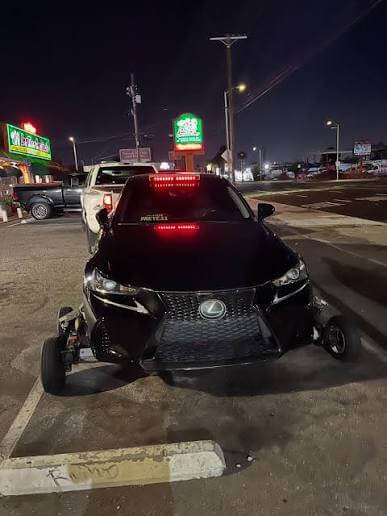
    If your vehicle has been in an accident, you should have it towed instead of driving it whenever you see significant damage, leaking fluids, damaged tires or wheels, steering problems, brake problems, overheating, broken lights, or anything that makes the vehicle feel unsafe.

    After more than 30 years of towing damaged vehicles, my advice is simple: do not let the fact that a car still starts convince you that it is safe to drive. Accident damage is not always obvious from the driver’s seat.

    A Car Can Run and Still Be Unsafe to Drive

    One of the biggest mistakes drivers make after a collision is assuming that a running engine means the vehicle is roadworthy.

    An accident can damage parts that have nothing to do with whether the engine starts.

    For example, collision damage can affect:

    • Steering
    • Suspension
    • Wheels and tires
    • Brakes
    • Cooling-system components
    • Lights and signals
    • Fluid lines and reservoirs
    • Body panels that may rub against a tire

    Therefore, the real question after an accident is not simply, “Will the car start?” The better question is, “Can I safely control and operate this vehicle on the road?”

    1. Have the Car Towed If Steering Feels Different

    If the steering wheel suddenly sits off-center, the car pulls sharply to one side, steering feels unusually loose, or the wheels do not appear straight, do not ignore it.

    An impact can damage steering and suspension components even when the exterior damage appears relatively minor.

    If you cannot confidently steer the vehicle, it should not be driven in normal traffic.

    2. Do Not Drive With Damaged Wheels or Tires

    Look carefully at the wheels and tires before moving the vehicle.

    Signs that towing may be necessary include:

    • A flat or shredded tire
    • A bent wheel
    • A wheel sitting at an unusual angle
    • A tire rubbing against damaged bodywork
    • Visible suspension damage
    • A wheel that will not turn normally

    Even if a damaged tire still holds air, the impact may have weakened it. Likewise, a wheel or suspension component can fail after you begin driving.

    If you are unsure about the condition of a damaged wheel or tire, towing is the safer option.

    3. Watch for Leaking Fluids

    After an accident, look underneath and around the vehicle for fresh fluid.

    A collision can damage the radiator, cooling system, engine components, transmission, or other fluid-carrying parts.

    If you see a substantial leak, do not assume you can simply drive a few miles to a repair shop.

    Continuing to drive with major fluid loss can cause additional mechanical damage. In some situations, leaking fluids can also create a safety hazard.

    If you see fuel, heavy smoke, fire, or another immediate danger, move away from the vehicle and call 911.

    4. Have the Vehicle Towed If It Starts Overheating

    Front-end collisions can damage a radiator, cooling fan, hoses, or other cooling-system components.

    Therefore, even a vehicle that initially starts normally may begin overheating shortly after the accident.

    If the temperature gauge rises, a warning light appears, or you see steam, stop driving as soon as you can do so safely.

    Do not open a hot cooling system. Hot pressurized coolant can cause serious burns.

    At that point, towing is usually a much better decision than risking severe engine damage.

    5. Make Sure the Brakes Feel Normal

    Any concern involving the braking system should be taken seriously.

    Do not drive if the brake pedal feels unusual, the vehicle does not stop normally, warning lights appear, or you suspect damage near a wheel or brake assembly.

    You need predictable steering and braking before entering traffic.

    If either system feels questionable, have the vehicle transported instead.

    6. Check Headlights, Brake Lights, and Turn Signals

    Accident damage can also affect the lights other drivers depend on to see you and understand what you are doing.

    Before considering driving, check the headlights, brake lights, and turn signals when it is safe to do so.

    Broken lights become especially important at night, during rain, or in other low-visibility conditions.

    If damage makes the vehicle difficult for other motorists to see, towing may be the safer choice.

    7. Listen for New Noises

    Do not ignore noises that began immediately after the collision.

    Grinding, scraping, clunking, rubbing, or other unusual sounds can indicate that damaged parts are contacting a wheel, tire, suspension component, or another moving part.

    If something sounds wrong after an accident, do not assume it will make it to the repair shop simply because the vehicle moves.

    8. Look for Body Panels Rubbing Against the Tires

    A damaged bumper, fender, or inner wheel-well component can bend into the path of a tire.

    That may not seem serious while the vehicle is parked. However, once the wheel turns or the suspension moves, the damaged panel can rub against the tire.

    This can damage the tire and make the vehicle unsafe to drive.

    9. Do Not Drive If the Airbags Deployed and the Vehicle Has Significant Damage

    Airbag deployment usually means the vehicle experienced a meaningful impact.

    Airbag deployment by itself does not tell you everything about the mechanical condition of the car. However, when it occurs with significant collision damage, I would be very cautious about driving the vehicle afterward.

    There may be steering, suspension, electrical, sensor, or structural issues that you cannot identify from a quick roadside inspection.

    10. When Is It Possibly Safe to Drive After a Minor Accident?

    Not every small collision automatically requires towing.

    A vehicle may potentially be driveable when the damage is truly minor and all of the following appear normal:

    • The vehicle starts and runs normally
    • Steering feels normal
    • Brakes work normally
    • All wheels and tires appear intact
    • No significant fluids are leaking
    • The engine is not overheating
    • No damaged panels are interfering with the tires
    • Required lights and signals function
    • There are no unusual noises or vibrations

    However, a roadside inspection cannot identify every hidden problem. If you have any doubt about the condition of the vehicle, towing removes the risk of discovering a serious problem while you are already back in traffic.

    What Should You Do Immediately After an Accident?

    Before worrying about towing, deal with immediate safety concerns.

    If anyone is injured, the vehicles are creating a dangerous roadway situation, there is a fire, or another immediate emergency exists, call 911.

    When it is safe, move away from active traffic and follow instructions from law enforcement or emergency responders at the scene.

    Once the immediate situation is under control, you can determine whether the vehicle needs accident towing.

    Where Can an Accident-Damaged Vehicle Be Towed?

    Depending on the situation, an accident-damaged vehicle may be transported to:

    • A collision repair shop
    • A mechanic
    • A dealership
    • A residence
    • A storage location
    • Another authorized destination

    If the destination is farther away, our Long-Distance Towing page explains more about transporting vehicles beyond a short local trip.

    What Information Should You Give the Tow Truck Driver?

    When calling after an accident, try to provide:

    • Your exact location
    • Vehicle year, make, model, and color
    • A description of the collision damage
    • Whether the vehicle starts
    • Whether the vehicle rolls, steers, and brakes
    • Whether any wheels or tires are damaged
    • Whether fluids are leaking
    • Where you want the vehicle transported

    Photos may also help explain significant damage or an unusual vehicle position.

    What I Recommend After 30+ Years of Towing Accident-Damaged Cars

    Drivers understandably want to avoid the inconvenience of having a vehicle towed. However, driving a damaged vehicle can turn one problem into two.

    You may cause additional damage to the car, or a steering, tire, suspension, cooling, or braking problem could become dangerous once you enter traffic.

    My rule is straightforward: if you cannot confidently say that the car steers, stops, rolls, and operates normally after the accident, have it towed.

    When the choice is between an inconvenient tow and taking an unnecessary safety risk, choose the tow.

    Need Accident Towing in Orlando or Central Florida?

    If your vehicle has been damaged in an accident and you do not believe it is safe to drive, call Orlando Tow & Recovery.

    Tell us where the vehicle is located, what was damaged, whether it rolls and steers, and where you want it transported. Then, we can discuss the appropriate service and current availability.

    We serve Orlando and selected surrounding Central Florida service areas.

    Call Now: (407) 619-6531


    About Wrecker Driver

    Wrecker Driver shares practical towing, roadside assistance, vehicle recovery, and road safety advice backed by more than 30 years of experience.

    Related Services

  • What Should You Do When Your Car Breaks Down on I-4?

    What Should You Do When Your Car Breaks Down on I-4?

    If your car breaks down on I-4, move as far away from active traffic as you safely can, turn on your hazard lights, and stay away from moving vehicles. Once you are safely out of the travel lanes, remain with your vehicle in a safe location and call for assistance. If your vehicle is blocking traffic, someone is injured, there is a fire, or you face another immediate danger, call 911. After more than 30 years of towing and roadside experience, my advice is simple: protect yourself first and worry about the vehicle second. Cars can be repaired or replaced. Your safety cannot.

    1. Get Your Vehicle Out of the Travel Lane If You Safely Can

    First, try to move your vehicle completely out of the active travel lanes. If the engine still runs or the vehicle can coast safely, move toward the shoulder or another protected area. Do not make an aggressive maneuver across multiple lanes simply to reach a particular shoulder. Instead, use the safest available option. Florida Road Ranger guidance recommends making every reasonable effort to move a disabled vehicle when it blocks the normal flow of traffic. Once you are outside the flow of traffic, the situation becomes much safer for you and for approaching drivers. However, if the vehicle cannot move and you are stranded in an active lane, treat the situation as an emergency. Call 911 and clearly explain that your disabled vehicle is blocking I-4.

    2. Turn On Your Hazard Lights

    Once stopped, turn on your hazard lights so approaching drivers can see that your vehicle is disabled. Visibility becomes especially important at night, during rain, or when traffic backs up unexpectedly. Do not assume other drivers understand why you have stopped. Give them as much warning as possible.

    3. Should You Stay Inside Your Car After Breaking Down on I-4?

    In many situations, yes. If you have moved completely out of the traffic flow and your vehicle is in a reasonably safe location, staying inside with your seat belt fastened can protect you from passing traffic. Florida Department of Transportation guidance for stranded motorists also advises drivers who are safely outside the traffic flow to remain inside the vehicle while waiting for help. However, every situation is different. For example, do not remain inside a vehicle if it is on fire, filling with smoke, leaking fuel in a dangerous situation, or exposed to another immediate threat. If you must leave the vehicle, move away from traffic rather than standing next to the car.

    4. Do Not Stand Beside Your Vehicle on I-4

    One of the most dangerous places to wait is directly beside a disabled vehicle while traffic passes only a few feet away. Likewise, avoid standing behind the vehicle or between two vehicles. A secondary collision can happen quickly when another driver fails to notice stopped traffic or drifts onto the shoulder. Therefore, do not inspect the engine, change a tire, or attempt another repair if doing so places you close to moving traffic. A flat tire is inconvenient. Being struck by a passing vehicle is far worse.

    5. Know Exactly Where You Are on I-4

    Before calling for towing or roadside assistance, identify your location as accurately as possible. Try to provide:
    • Your direction of travel: eastbound or westbound
    • The nearest exit number
    • The last exit you passed
    • The next exit you can see
    • A nearby mile marker
    • Whether you are on the left or right shoulder
    • Whether the vehicle is completely outside the travel lane
    Your phone’s mapping application may also show your exact location. This information is much more useful than saying, “I’m somewhere on I-4 near Orlando.”

    6. Decide Whether You Need Roadside Assistance or a Tow

    Next, determine what happened to the vehicle. Some problems may only require roadside assistance. Others require towing. Roadside assistance may help with problems such as:
    • A weak or dead battery
    • Running out of fuel
    • A flat tire when roadside conditions allow safe service
    • Another minor problem that can be addressed safely at the roadside
    However, you will probably need a tow when the vehicle has a serious mechanical problem, collision damage, severe overheating, steering problems, damaged wheels, major fluid loss, or another condition that makes driving unsafe. When in doubt, do not risk causing additional damage simply to avoid towing.

    7. Florida Road Rangers May Be Able to Help

    Florida drivers should also know about the Florida Department of Transportation Road Ranger program. Road Rangers patrol many congested and high-incident Florida highways and provide limited no-cost assistance to stranded motorists. Services can include jump starts, emergency fuel, flat-tire assistance, minor repairs, and help clearing disabled vehicles from travel lanes. FDOT advises motorists who need Road Ranger assistance to call *347 from a mobile phone. However, Road Rangers do not replace a towing company when the vehicle requires transportation or a repair that cannot be handled roadside. In that situation, you may still need a tow.

    8. Check I-4 Conditions With Florida 511

    Florida also provides real-time roadway information through Florida 511. Florida 511 can show crashes, disabled vehicles, congestion, construction, road closures, traffic cameras, and other current roadway conditions. This information can also help family members understand what is happening around your location. However, never operate your phone or browse traffic information while actively driving.

    9. What Information Should You Give the Tow Truck Driver?

    Once you call for help, provide as much accurate information as you can. That helps determine the service and equipment you may need. Be prepared to provide:
    • Your exact I-4 location and direction of travel
    • Your vehicle year, make, model, and color
    • What happened before the vehicle stopped
    • Whether the engine starts
    • Whether the vehicle rolls, steers, and brakes
    • Whether any tires or wheels are damaged
    • Whether the vehicle was involved in an accident
    • Where you want the vehicle transported
    Also, mention smoke, overheating, leaking fluids, collision damage, or anything unusual about the vehicle.

    10. When Should You Call 911?

    A normal mechanical breakdown does not always require 911. However, call 911 when the situation creates an immediate safety emergency. Examples include:
    • Your vehicle is blocking an active I-4 travel lane
    • Someone has been injured
    • The vehicle is on fire or producing dangerous smoke
    • A serious collision has occurred
    • You or your passengers face an immediate threat
    • The vehicle creates a dangerous roadway hazard
    Emergency responders can address the immediate danger first. Towing can come afterward.

    What I Recommend After 30+ Years of Towing Experience

    Drivers naturally focus on the vehicle when something goes wrong. However, the first question should always be: Am I in a safe place? If your car breaks down on I-4, do not risk your safety trying to diagnose a problem beside fast-moving traffic. Get out of the travel lane if you safely can, make yourself visible, identify your location, and call the appropriate help. Sometimes roadside assistance can solve the problem. Other times the safest answer is an emergency tow. Either way, protecting yourself and your passengers comes first.

    Need Towing or Roadside Assistance on I-4 Near Orlando?

    If your vehicle is disabled on I-4 in Orlando or within one of our selected Central Florida service areas, call Orlando Tow & Recovery. Tell us your direction of travel, nearest exit, vehicle information, and what happened. Then, we can discuss the appropriate service and current availability. Call Now: (407) 619-6531

    About Wrecker Driver

    Wrecker Driver shares practical towing, roadside assistance, vehicle recovery, and road safety advice backed by more than 30 years of experience.

    Related Services